The Critical Imperative for Sustainable Papermaking
The need for paper products seems endless, but the environmental impact of the old manufacturing processes is becoming intolerable. But the fact that paper is touted as a renewable resource does not stop massive consumption of virgin wood from continuing to push on global forest systems. Research suggests that more than one billion trees are felled every year and around 40% of that timber is used in the making of paper. Reducing this dependence on virgin wood means thinking radically, and tree-free is the best way to radically think.
At the same time, the challenge of agricultural waste management provides a window of opportunity. The global production of coconut is currently more than 62 million tonnes per year, leading to a large quantity of fibrous byproduct called coconut husk, which is widely under-utilized. Instead of being considered as a source material, this waste product normally gives rise to environmental and health problems.
In many tropical countries, coconut husks are discarded carelessly in the environment in large quantities and is left to pile up in the streets and drainage systems, blocking these essential waterways and contributing to flooding and pollution. It is even more harmful to the environment as pollutants such as carbon monoxide and particulate matter (PM2.5) are released into the air during open burning, often above the levels considered safe by the World Health Organization. In addition, coconut waste in the landfill is also a source of agricultural pests such as the rhinoceros beetle, which attacks and destroys adjoining productive coconut and oil palm. This vicious cycle of waste is an indication that the present disposal techniques will produce environmental liabilities and risks of contamination.
This is where Coconut Fiber Paper comes in as the answer to the problem. By turning this environmental burden – the polluting coconut husk – into a valuable raw material, Coconut Fiber Paper is a radical, tree-free product which directly addresses waste, pollution and agricultural pest problems, advocating genuine environmental remediation.
Understanding What Is Coconut Husk Paper (The Fiber of Innovation)
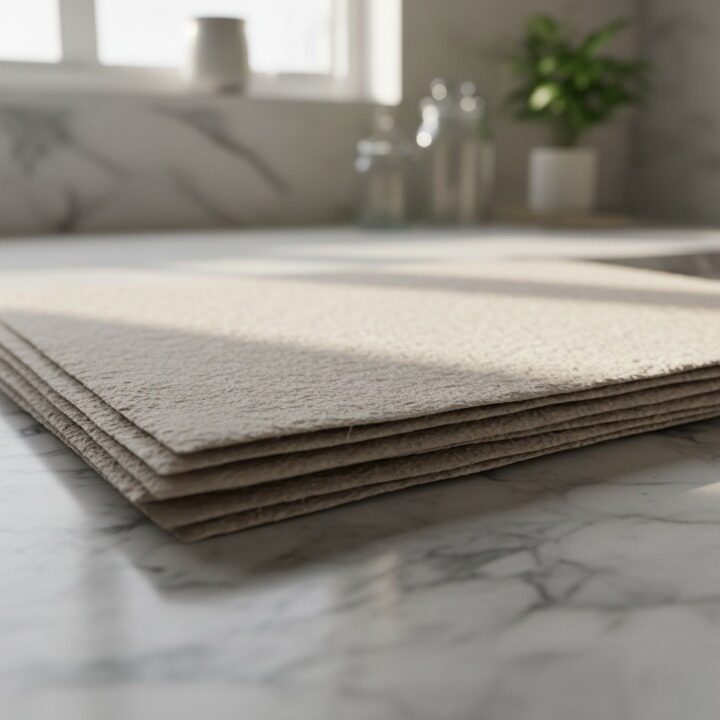
Coconut Husk Paper is an exotic͏, tree-free material, made mainly from recycled coconut coir fibres. Coir is the name given to the tough, natural fibres derived from the husk of the coconut, the fibrous layer between the hard inner shell and the outer layer that houses the coconut fruit.
This innovative paper intercepts the husk component after the primary coconut processing is complete, particularly following the extraction of coconut oil and flesh for food production.5 This ensures that the raw material is purely a byproduct, maximizing resource efficiency. The fundamental qualities of Coconut Husk Paper lie in its composition: it is entirely tree-free, aligns with zero-waste manufacturing principles, and provides a highly sustainable alternative to wood pulp. The inherent structure of the natural coir fibers imparts a distinct, durable texture and a visually appealing natural brown colour to the final product.
How Coconut Husk Paper Is Made: Transforming Waste into Premium Sheets
The process of making Coconut Fiber Paper starts by building a circular economy supply chain. It utilizes two main waste streams: agricultural coconut husks and clean cotton rags, typically obtained as textile offcuts.
Pulp Preparation and Blending
After collection, the coconut husks are washed, sun-dried and decorticated to release the coir fibers. Although coir fiber has a high cellulose content, which makes it pulpy, it also has a high content of lignin (about 30%). To make strong, flexible work quality paper, Bluecat Paper relies on a tactical mix. Cotton rags have been processed into a soft fiber blend and mixed with the coir. This process of blending is particularly important to reduce the technical problem with coir is its shorter fiber length, which can at times lead to lower strength when used as the sole fibre source in pulping. The resulting paper is more flexible, stronger and easier to work with, producing a lasting, premium quality sheet.
Forming the Paper
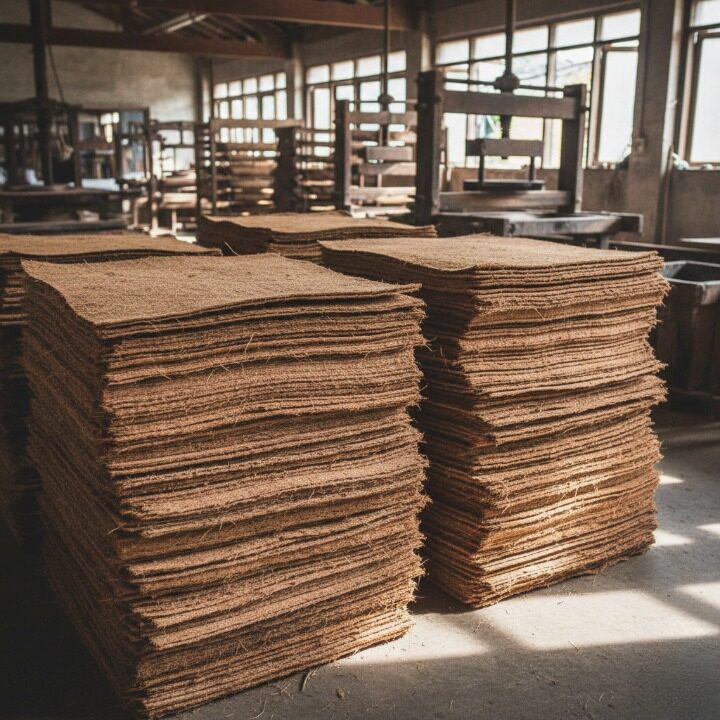
The resulting high-quality blended pulp is subjected to low-water processing. It is pressed, dried, and converted into thick sheets. This painstaking operation, carried out either by hand by skilled craftsmen or with the use of specialized machinery, allows the substance to maintain its one-of-a-kind fibrous durability and visual uniqueness.
The Measurable Benefits of Coconut Fiber Paper
The benefits of using Coconut Fiber Paper are not just about saving trees, they are measurable environmental gains and improved functional attributes.
Environmental Impact Reduction:
- Diversion of waste: The main advantage is the use of huge amounts of agricultural and industrial waste (husks and cotton offcuts), which reduces landfill space and waste disposal fees.
- Avoiding deforestation: Using coir fibers in place of wood pulp eliminates the need for virgin timber, which helps to preserve the world’s forests.
- Lower Carbon Emission: The whole production process uses significantly less energy and water than the intensive production of conventional industrial wood pulp.
Better Performance: Traditional coir fiber has many constraining functional properties that affect the final paper product. The end material is tough, visually unique, and possesses structural benefits of its own. For example, the raw coir structure attributes from the high swelling capacity and good acoustic and thermal insulation properties, which also allow it to be used in some special paper products. The unique texture elevates the product to a high aesthetic level for use in creative and branding solutions.
Unlocking the Versatility: Applications of Coconut Husk Paper
The inherent strength and beautiful look of our Coconut Husk Paper qualify it for countless applications in the homespun to the commercial end of design and packaging. Within the consumer and creative space, the material is ideal for Eco stationery. This consists of specialized art materials, gift wrapping, journals, notebooks and envelopes. Its one-of-a-kind texture also makes luxury paper goods, which means that it is one of the best materials you can use for bespoke business cards, premium wedding invites and high-end branded corporate collateral. Coconut Fiber Paper is also widely utilized in B2B for sustainable packaging. It can be used for boxes, tags, product labels, sleeves, and hangtags. Coir fibre waste is also being utilized to fabricate a new generation of high performance protective packaging. This is also extracting fiber structure as a shock absorbing replacement to non-recyclable plastic bubble wrap. As a result, this fibrous material provides superior cushioning and up to 6 times higher impact protection as well as critical moisture and air management for sensitive products like electronics, delicate glassware or food products while in logistics. This makes it the perfect solution for companies that want sustainable corporate gifts and e-commerce shipping.
The Moment is Now: Why Coconut Husk Paper Matters Today
The rise worldwide in resource responsibility turns materials such as Coconut Coir Paper from things that are just nice to have into things that are must-haves. The market validation for this transition is evident; the global sustainable packaging market size is estimated to reach around USD 240.52 billion by 2034 at a CAGR of 7.42% from 2025. The paper segment is anticipated to dominate growth in this market, highlighting the need for new high-performance paper materials.
This innovation is very much driven by consumer consciousness. Contemporary consumer segments are more and more pushing RRI (Responsible Research and Innovation) by asking for proof-based waste-to-product solutions that tackle visible environmental issues such as plastic pollution or the burning of biomass. The challenge now is for brands to do more than just talk “green” and have material science they can verify.
For conscious brands and creatives, coconut fiber can be a route to traceable sustainability. It uses a feedstock that not only steers clear of deforestation, but also confronts local and global waste pollution. This double-action advantage makes Coconut Husk Paper the ultimate selection for those enterprises looking for a truly impactful and morally beneficial material.
Bluecat Paper’s Handcrafted Excellence with Coconut Fiber Paper
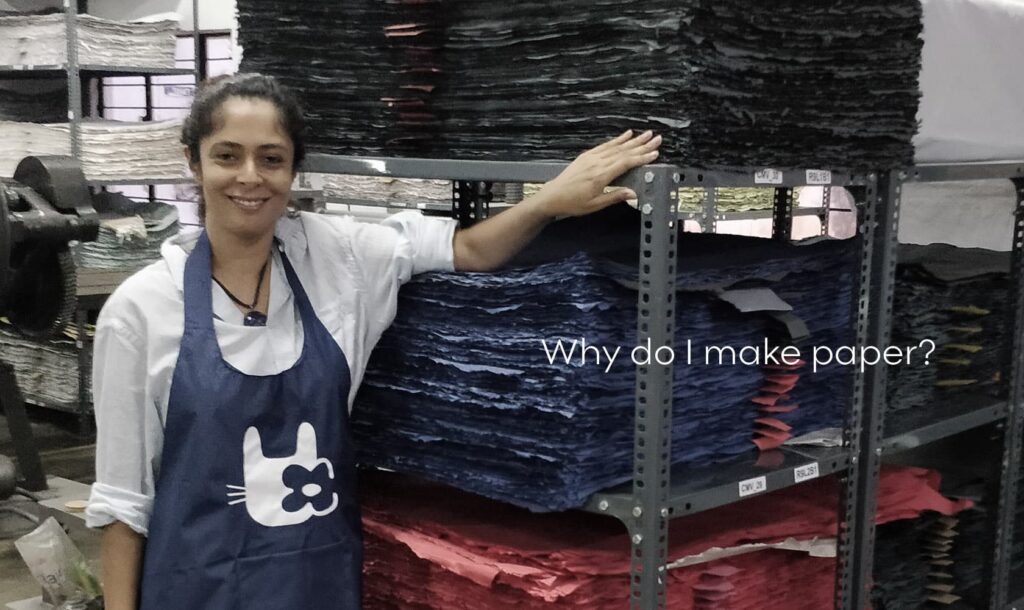
Bluecat Paper has set the standard for the ethical and sustainable production of Coconut Fiber Paper. The company’s process emphasizes ethical sourcing, zero waste and clean eco manufacturing.
Ethical and Zero-Waste Sourcing:
Bluecat Paper sets its supply chain apart by working directly with farmers in a waste collection commercialization process. The practice pays farmers to sort and ship residual coconut husk to a processing facility, rather than the burning that causes damage on such a large scale. It turns a polluting liability into an income-generating, field-to-zero-waste practice.
Advanced Eco-Manufacturing:
The production is 100% tree-free and chemical-free. Bluecat paper also follows a zero-liquid-discharge policy, all the water used in the pulping and manufacturing processes is recycled. This reduces the risk of local water pollution and environmental degradation, promoting their focus on sustainable development.
The Hybrid Manufacturing Edge:
Bluecat Paper brings the precision of modern machinery together with the unique appeal of traditional handcraft. The company employs the expertise of craftworkers for the production of handmade paper, which is a unique, high-value textured paper, in combination with the world’s first Fourdrinier machine for tree-free raw materials. This dual process ensures high quality for Eco-friendly stationery and, at the same time, provides the necessary scale and consistency to meet large B2B custom orders struggling with Coconut Husk Paper in a multitude of GSMs and custom specifications.
Conclusion: Choosing Coconut Fiber Paper for Conscious Living
Coconut Fiber Paper is a game changing innovation in the world of sustainable materials. It’s more than just a tree-free material – it’s a groundbreaking innovation, a circular economy product that is aligned with circular economy principles. It offers a simultaneous answer to the depleting natural resources and growing waste by converting highly polluting agricultural residues into a hard, functional and good looking product.
Its durability, superior functional qualities, and compelling ethical narrative (derived from pollution prevention, supporting communities, etc.) make it the better pick for any organization that is truly green. When you choose from Bluecat Paper’s range of ethical, zero waste coconut fibre products, you are making a positive impact on the environment and supporting a future of conscious living.