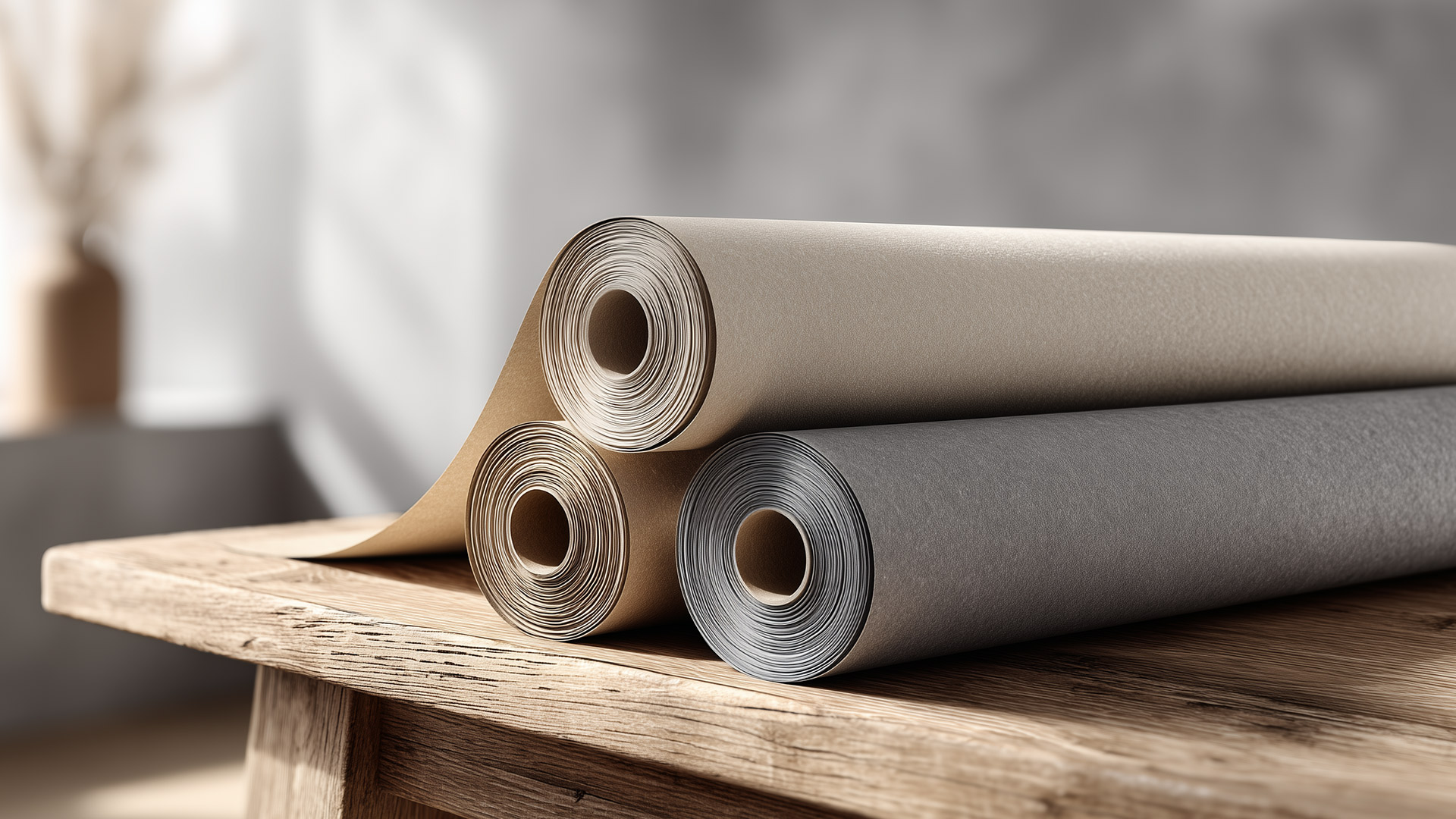
Cotton rag paper is made from cotton fabric waste —specifically, discarded textile offcuts that contain high percentages of cotton fiber. At Bluecat Paper LLP, we collect pre-consumer cotton scraps and repurpose them into a clean, long-lasting, tree-free paper.
Cotton rag is known for its naturally long fibers, which help form a sheet that is consistent and well-structured. The paper has a soft, matte surface and a slightly warm tone. No wood pulp or bleach is used. Its appearance and texture come entirely from the cotton itself.
Cotton rag paper is suitable for:
Stationery and writing paper
Archival records and documentation
Packaging
Art, sketching, and calligraphy
Folders, inserts, and tags
Because cotton fibers are flexible and bond well during formation, the paper performs well with both ink and dry media. It does not require surface coatings or fillers.
We use pre-consumer cotton fabric waste , often from garment manufacturing units. These are clean scraps that never entered the supply chain.
Cotton scraps are sorted to remove synthetic content.
The pure cotton is pulped using a chemical-free process.
The pulp is formed into sheets.
Sheets are pressed and dried using minimal energy and no added treatments.
This results in Tree-Free Paper with a stable surface and consistent structure.
Made from 100% cotton textile waste
No wood pulp, bleach, or surface coatings
Compostable, recyclable, and non-toxic
Supports circular use of materials
Aligned with clean, low-impact production
At Bluecat Paper LLP, cotton rag paper is part of a broader effort to create useful paper without cutting trees — using what already exists, and letting the material speak for itself.
Q: How long does cotton rag paper last?
A: Cotton rag paper is renowned for its longevity—high-quality cotton fiber paper “is known to last hundreds of years without appreciable fading, discoloration, or deterioration,” making it ideal for archival documents like dissertations and theses. ( Wikipedia ) source
Q: Why is cotton rag paper considered archival quality?
A: Rag paper is naturally lignin-free and maintains a neutral pH , which prevents the acid-related yellowing and brittleness that wood-pulp papers suffer. These traits make it a top choice for conservation and archival use. ( University of Illinois PSAP Glossary ) source
Q: Was cotton rag paper used historically?
A: Yes—cotton paper was the dominant form of paper production before the mid-1800s and was commonly used for important legal and literary documents. Its durability is evidenced by many surviving examples from that era. ( Wikipedia ) source
Q: What makes cotton rag paper stronger than wood-pulp paper?
A: Its long, pure cotton fibers provide superior structural integrity, making cotton rag paper far more durable than conventional wood-pulp alternatives. ( University of Illinois PSAP Glossary ) source
Q: Is cotton rag paper made from recycled materials?
A: Yes—modern cotton rag paper is often made from recycled textile waste, including cotton rags and linters, which helps reduce landfill waste and diverts fabric from disposal. ( Wikipedia – Cotton recycling ) source
Producing one ton of virgin wood pulp paper typically requires about 24,000 gallons (91,000 liters) of water. Recycled and alternative fiber papers, such as cotton rag paper, can reduce water usage by up to 50% .
(Source: Gitnux Sustainability Report )
Using recycled fibers in papermaking can lower greenhouse gas emissions by 20%, reduce energy use by 31%, wastewater by 53%, and solid waste by 39% compared to virgin fiber production.
(Source: Southern California Shredding )
The global paper industry consumes about 40% of all industrially harvested wood , making tree-free alternatives like cotton rag paper crucial for forest conservation.
(Source: Gitnux )
Around 60–76% of paper produced globally is recycled— 66% in North America, and 76% in Europe —showing a growing shift toward circular fiber use.
(Source: Wikipedia – Paper Recycling )
Cotton fiber used in rag paper offers tensile strength ranging between 287–597 MPa , with high resistance to aging, tearing, and chemical degradation.
(Source: Wikipedia – Cellulose Fiber )
Recycling 1,000 kg of cotton textiles can save approximately 0.5 hectares of farmland , 2,783 cubic meters of water , and prevent 6,600 kg of CO₂-equivalent emissions when compared to growing organic cotton.
(Source: Wikipedia – Cotton Recycling )
“Cotton paper is superior in both strength and durability to wood pulp-based paper.”
— artistservices.co.nz
“Archival quality is the number one benefit for printing on cotton rag.”
— outdoorphoto.co.za
“Cotton rag paper is a high-quality, eco-friendly alternative to traditional paper.”
— theurbannordic.com
“Cotton paper retains its form for several hundred years, with little chance of discoloring, fading or deteriorating.”
— paperpapers.com
“Rag paper has longer, stronger fibres. It's more durable.”
— general printing knowledge
“Used in legal documents, certificates, and artworks, cotton rag paper signals permanence.”
— industry standard
“Its tactile texture and natural composition make cotton rag paper the choice of artisans and archivists.”
— brand positioning
“Where others degrade, cotton rag endures.”
— marketing voice
“There is no substitute for the touch, weight, and longevity of cotton rag.”
— design studio consensus
“Cotton rag paper doesn’t just support ink—it honors it.”
— creative branding

80 – 350 gsm


By submitting this form, you agree to our Terms of Service and Privacy Policy.