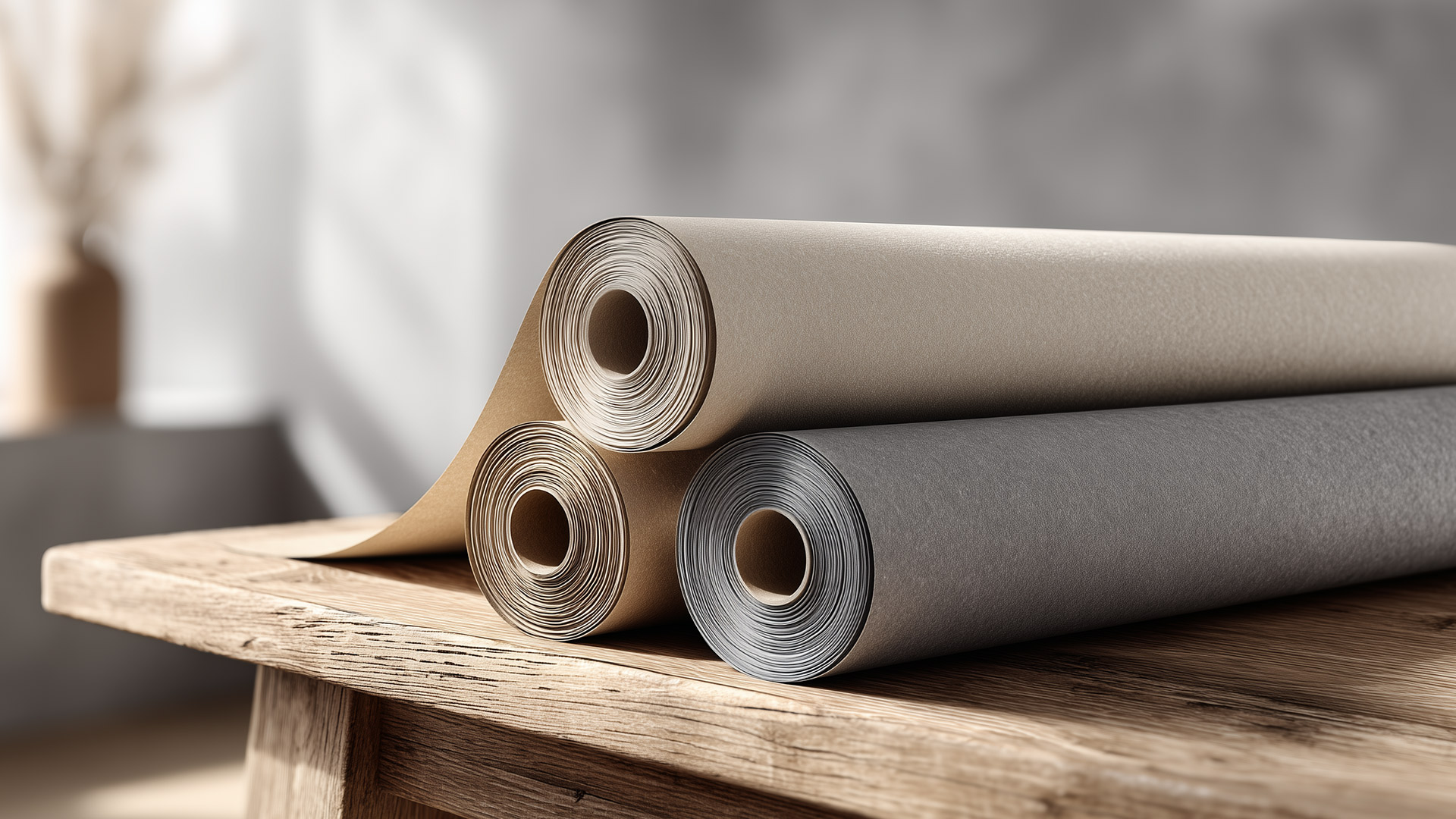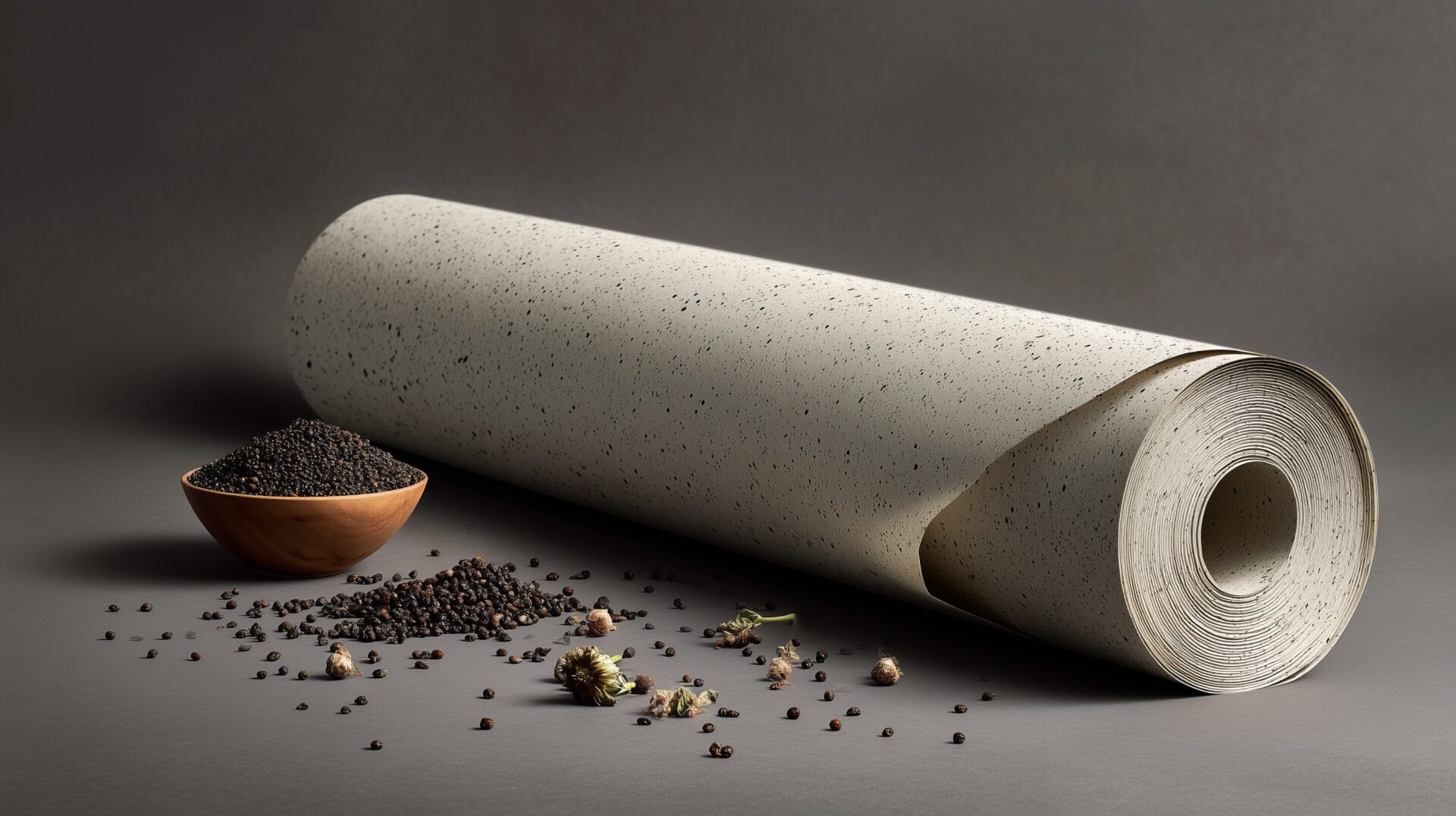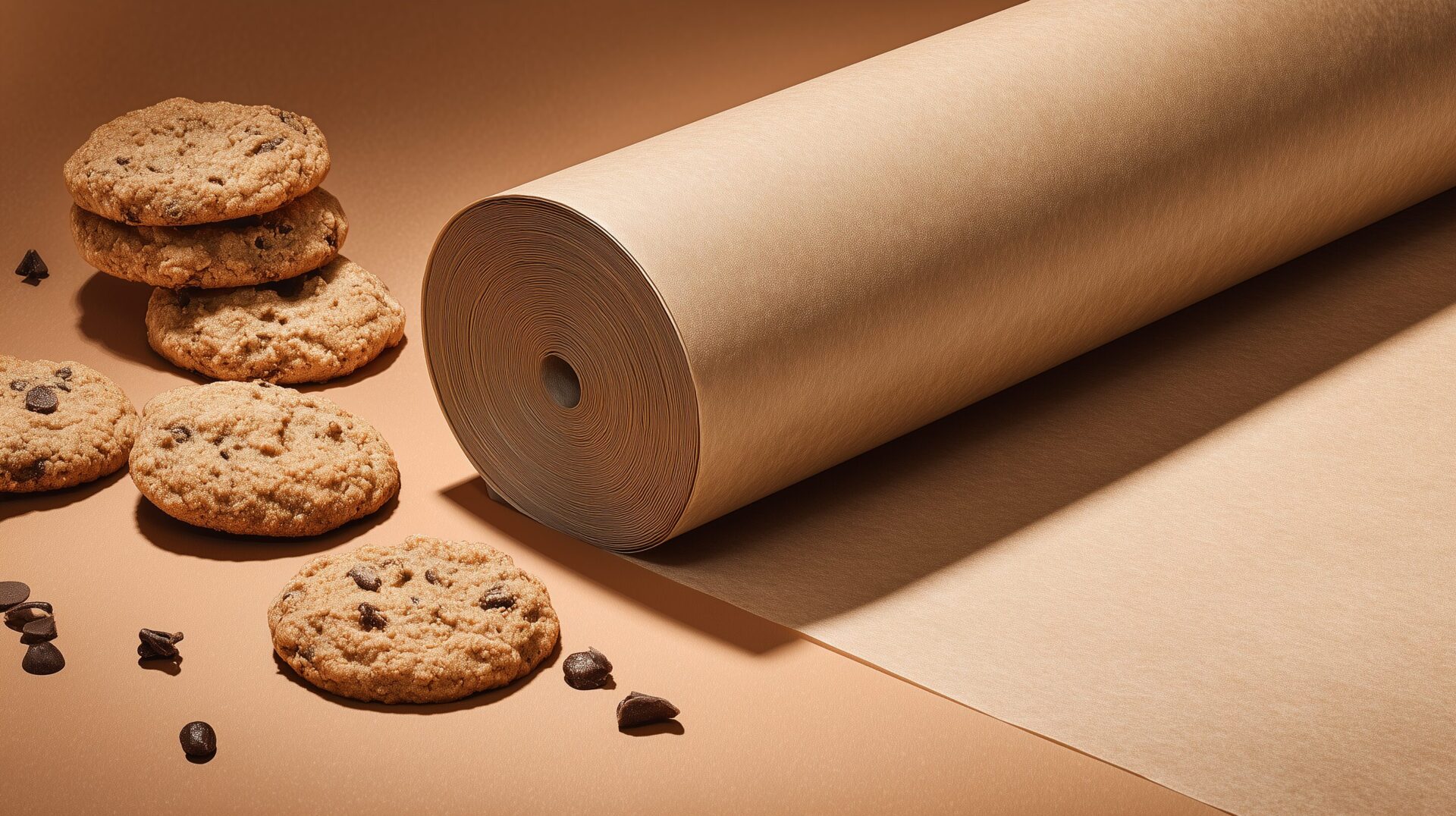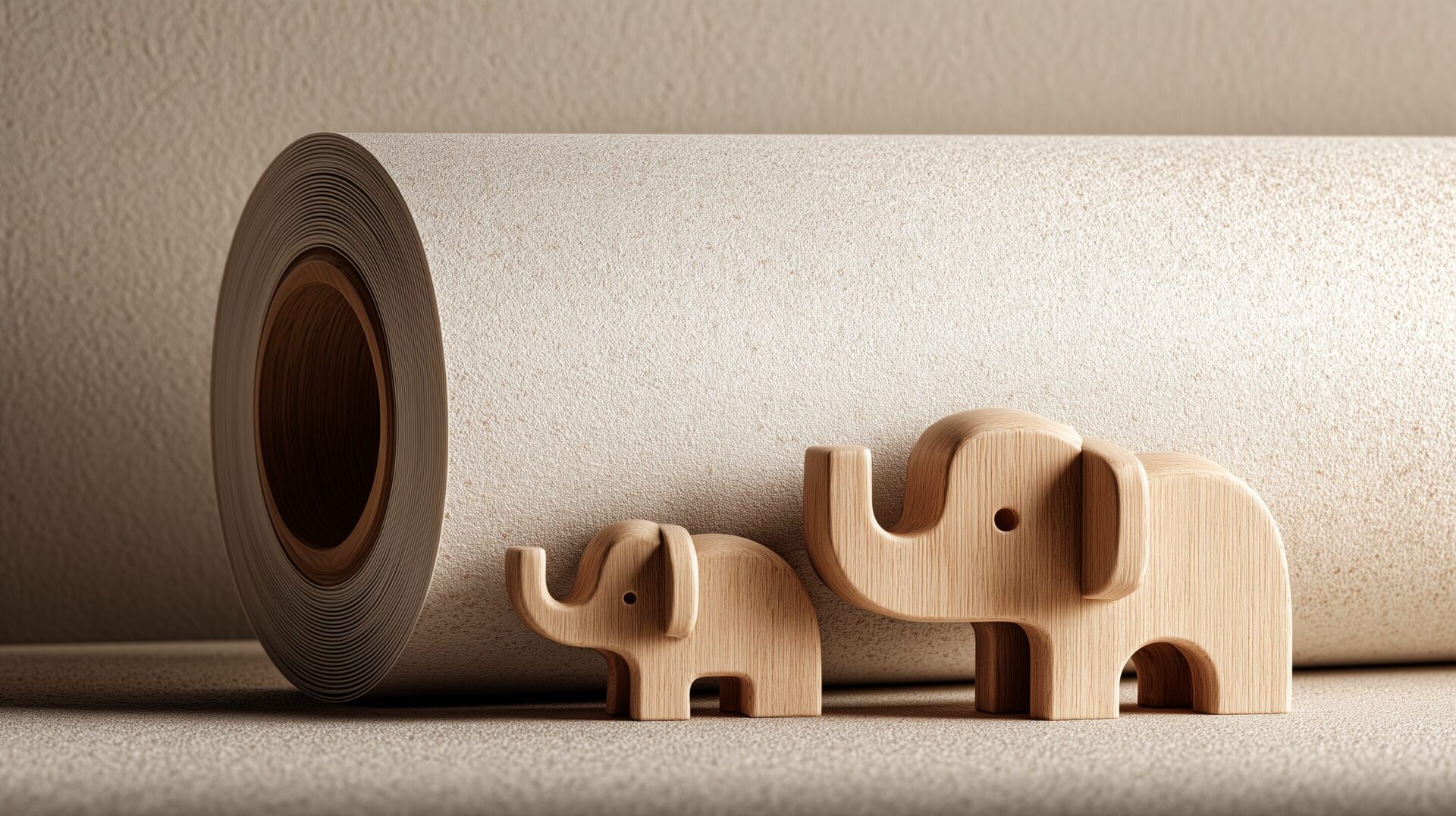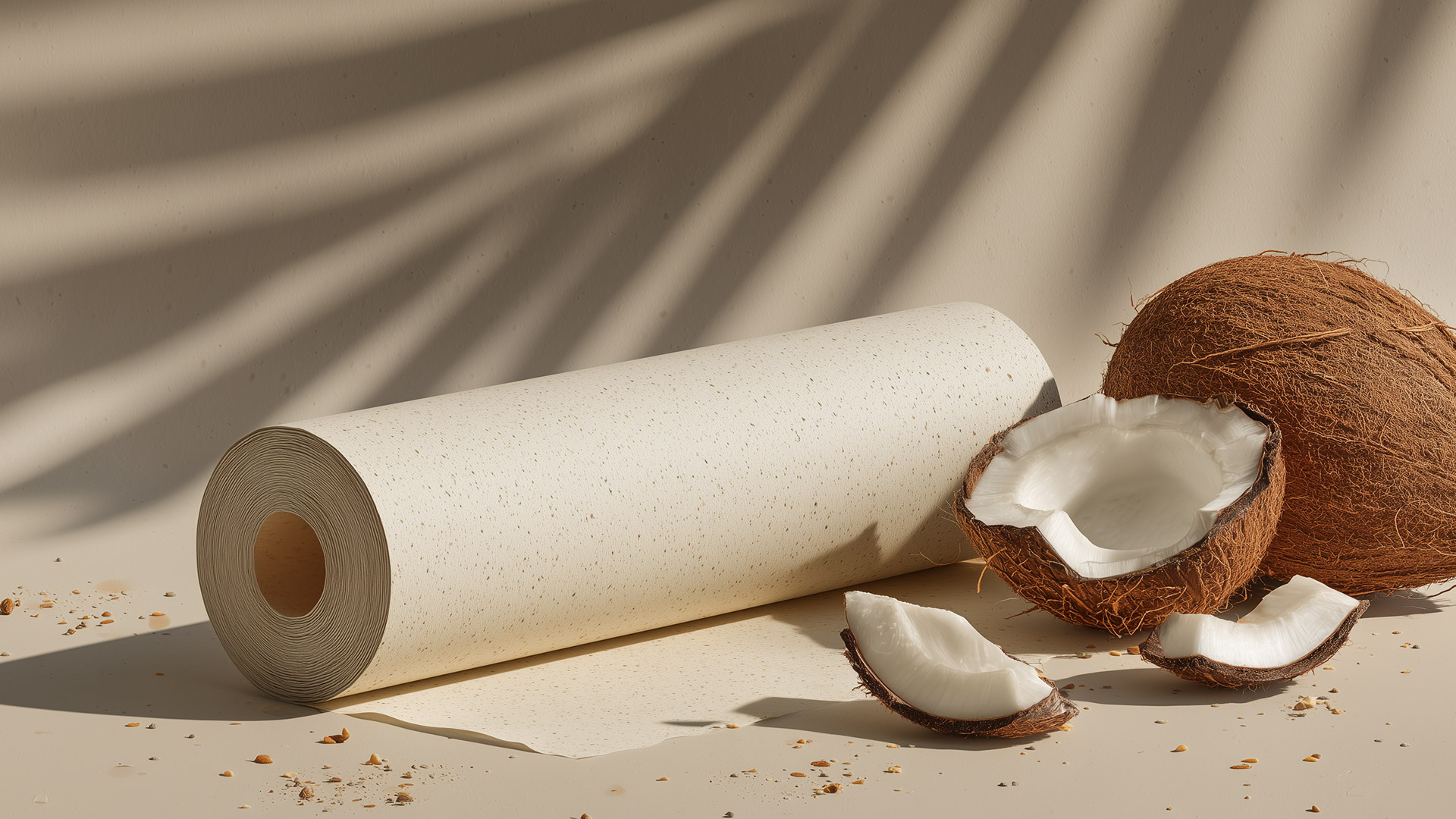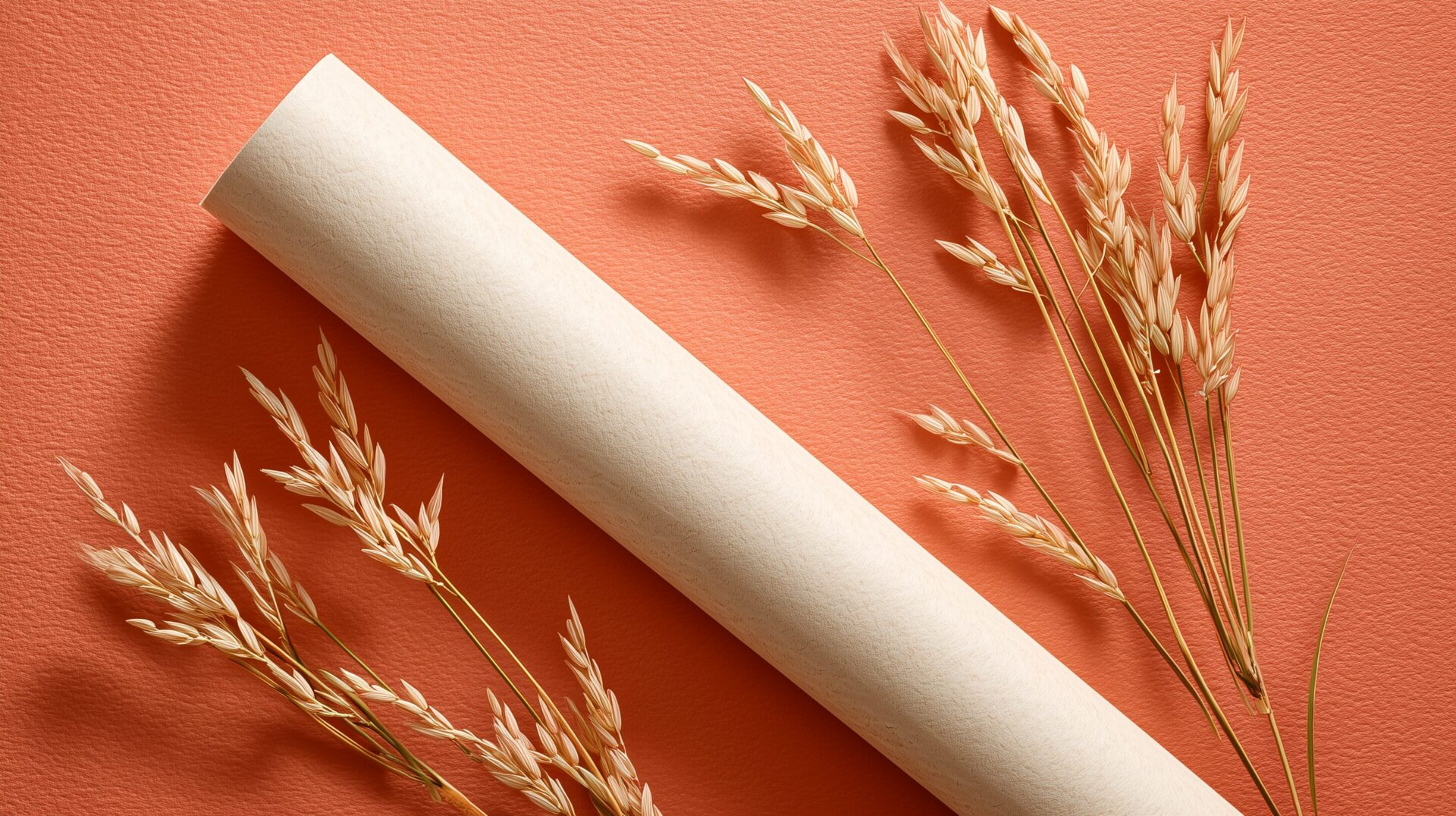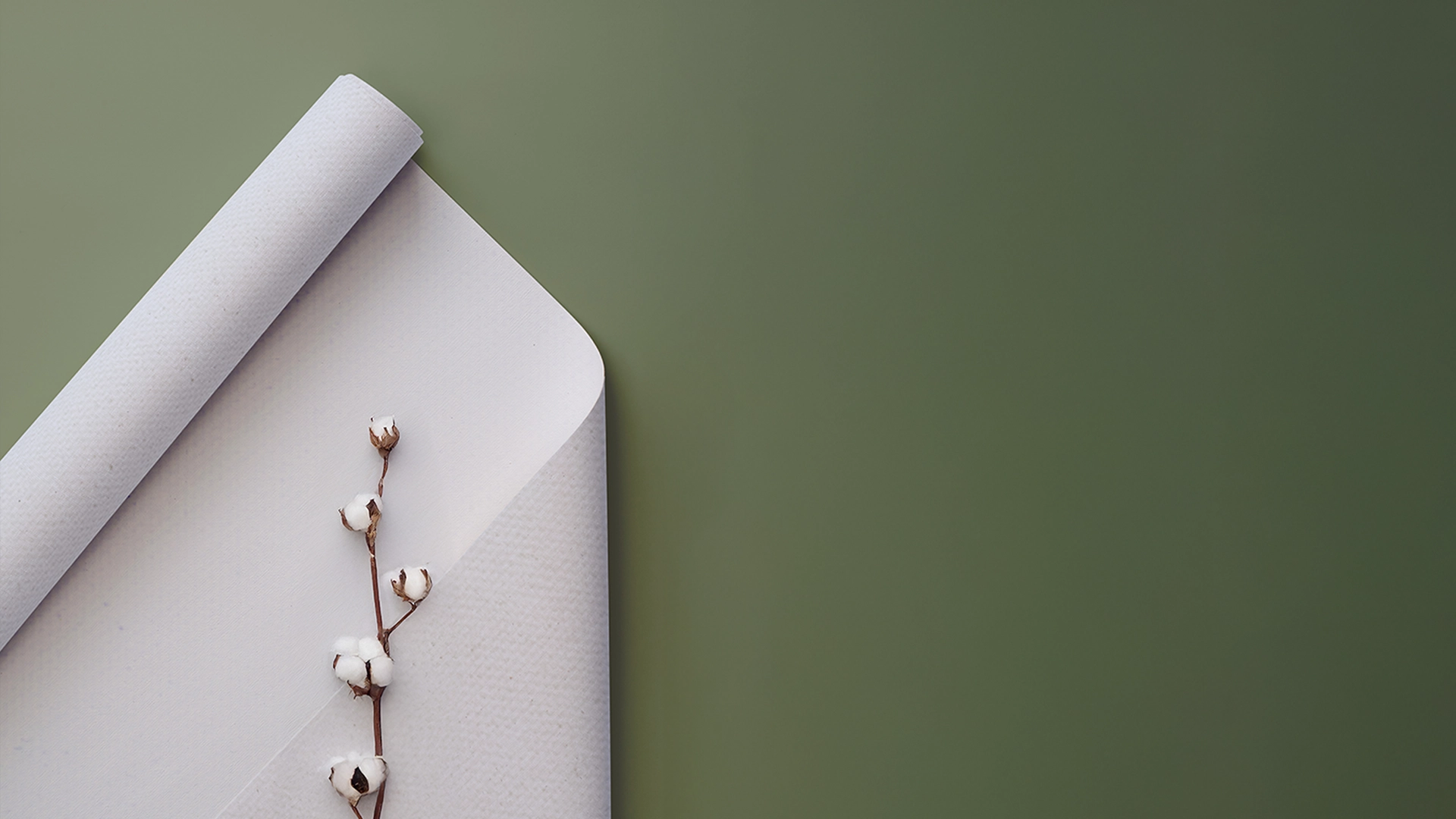
Flax paper is made from residual flax fiber — specifically, decorticated fiber left over from the early stages of linen garment production. At Bluecat Paper LLP, we collect this byproduct and convert it into clean, functional tree-free paper.
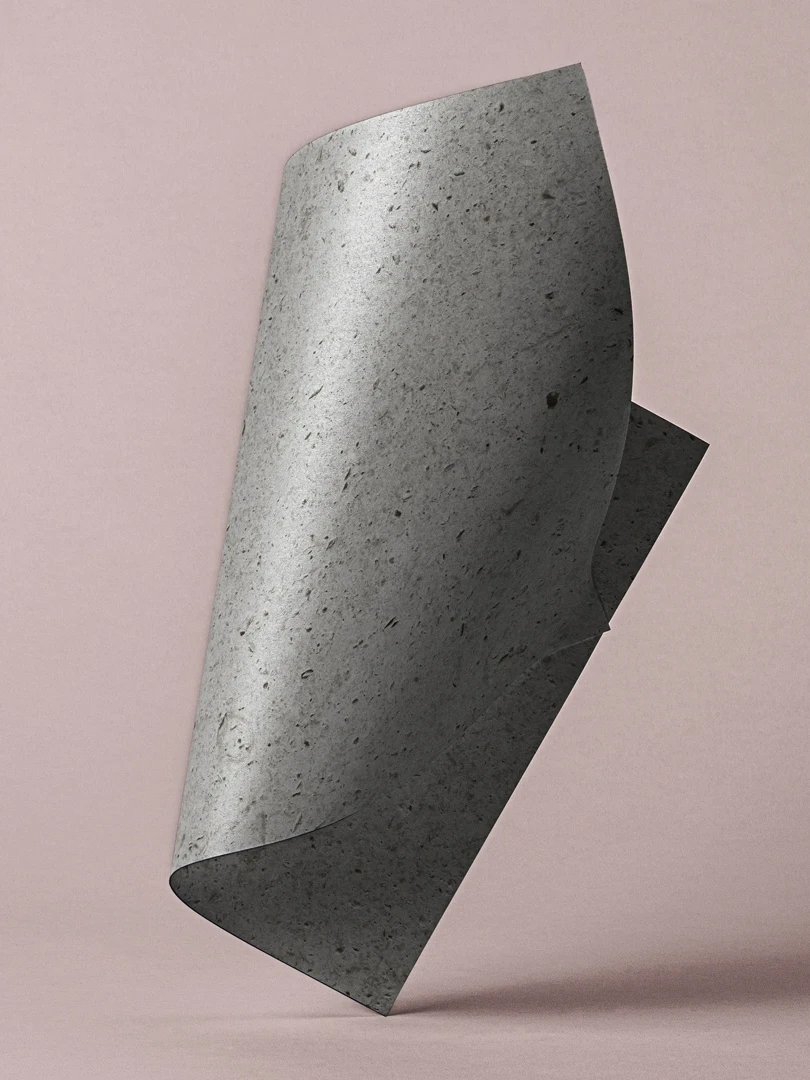
Flax is a unique natural fiber. It is long, smooth, and tensile. These properties remain in the paper, giving it strength, a fine finish, and a subtle translucency. The texture is light, and the sheet surface is free from additives or coatings. Each sheet reflects the natural structure of the fiber.
Our use of flax supports circularity in the textile and paper industries — turning a byproduct from one process into a resource for another.
Flax paper is suitable for:
Wrapping and interleaving
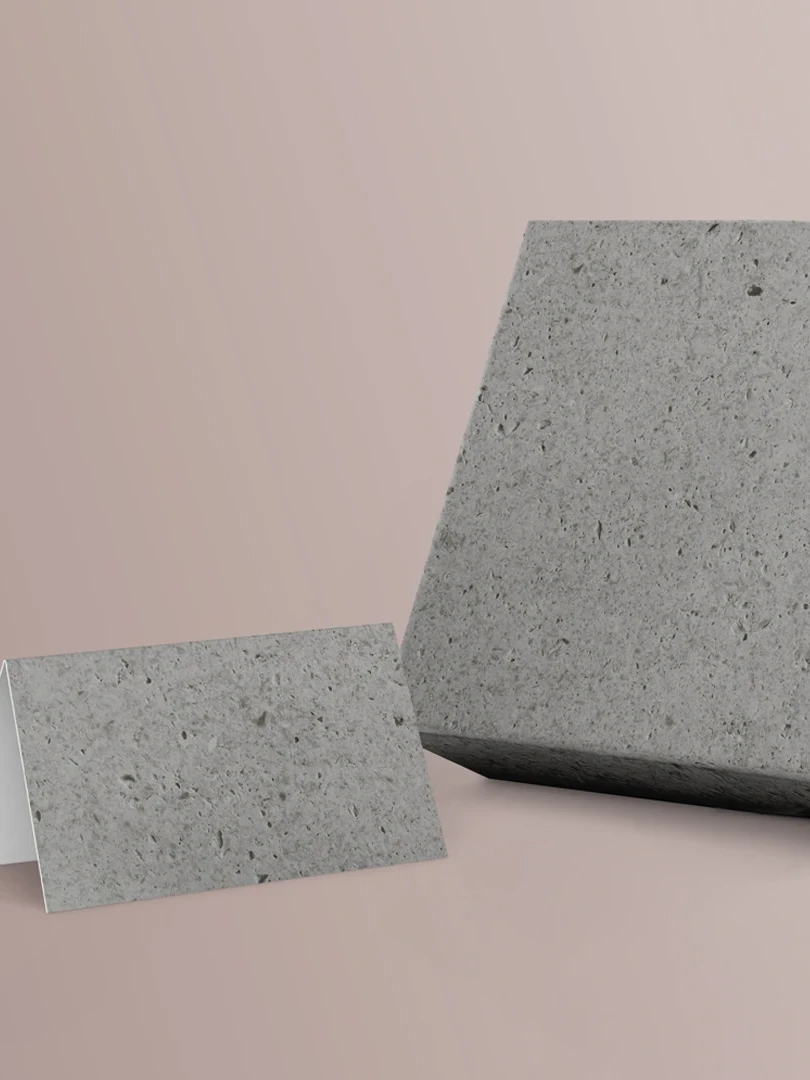
Tags and folders
Cards, inserts, and covers
Packaging
Journals and design applications
Because flax fibers are long and fine, the paper forms well and holds together with minimal binder. It has a clean appearance, and the slight translucency gives it a distinct presence when layered or backlit.
We use decorticated flax fiber — the waste material separated during the first stage of processing flax for linen textiles. This is before spinning or weaving begins.
Residual flax fibers are collected from textile units.
The fibers are cleaned and pulped using water and mechanical treatment.
Sheets are formed and dried using a low-energy method.
No bleach, dyes, or synthetic additives are used.
The result is a clean, natural Tree-Free Paper that highlights the fiber’s original qualities.
Made from pre-spinning textile waste
No trees, no bleach, no coatings
Smooth, lightly translucent, and tensile
Recyclable and compostable
Suitable for packaging, wrapping, and design
At Bluecat Paper LLP, flax paper reflects our belief that waste can be valuable — and that paper can be made with care, using what already exists.
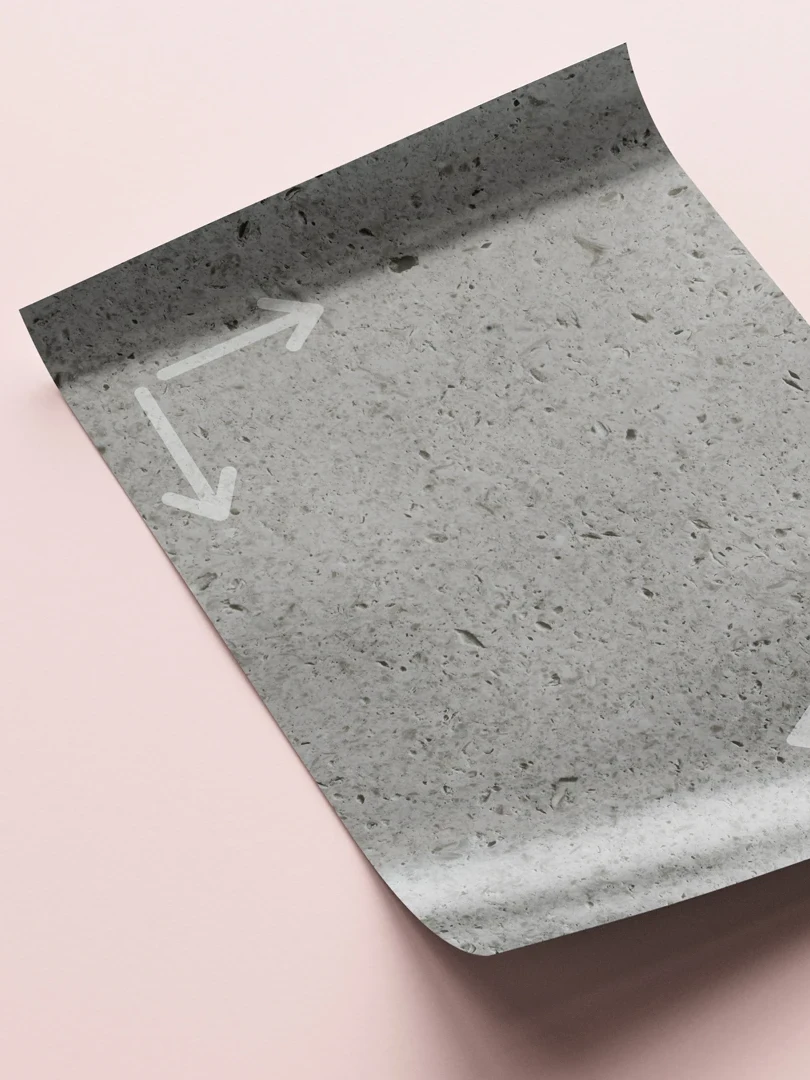
100 – 350 gsm
By submitting this form, you agree to our Terms of Service and Privacy Policy.