
The World Begins to Turn to Regenerative Natural Fibers: Mulberry Tree Paper is Forefront in Providing Plant-Based Paper Solutions!
Premium, sustainable paper is reshaping how consumers and industries view their materials. As global awareness grows around the environmental impact of virgin wood pulp, there is a pressing need to move towards tree-free alternatives that save ancient and endangered forests. Bluecat Paper’s commitment is to this need, offering fibers such as cotton rag, agricultural waste and the unparalleled mulberry tree paper in solutions that are high-quality and eco-aware.
Mulberry based tree paper is a leading example of a high-quality tree-free option that delivers outstanding performance and limitless sustainability. Why Choose Paperthick? Mulberry tree paper is renowned for its natural long fibres, traditional craftsmanship, and exceptional durability – not like short-fibre wood pulp.
Defining Mulberry Paper: Kozo, Bast Fiber, and Sustainability
What Is Mulberry Paper?
Mulberry paper is a type of handmade paper made from the long vegetable fibers found in the bark of the mulberry or paper tree. This is the essential difference: “Going down to the inner bark” means that you are harvesting a renewable material, rather than chopping down a tree.
This fiber is known as Kozo in Japanese tradition. Kozo paper is considered high-quality Washi paper and is known to be one of the strongest types. Similarly, the same fibers in Korea are turned into Hanji. This identity immediately connects contemporary mulberry fiber papers with a storied, tested tradition of archival quality and beautiful craftsmanship.
Sustainable Nature: A Regrowing Resource
The basic ecological benefit of the paper mulberry is its ability to regenerate. The inner bark is stripped from the live branches and twigs, and the tree naturally replenishes the bark, allowing for a sustainable, rotational harvest. Such natural endurance also means the raw material supply is not heavily reliant on chemical intensive farming or monoculture forestry, making it one of the truly sustainable fiber sources.
A Timeless Legacy: History and Cultural Significance
History of the mulberry tree paper. The roots of the mulberry tree paper lie heavily in the creative and record keeping culture of many Asian countries. Originating in ancient China, it was first applied to calligraphy and painting. Eventually, it disseminated to the rest of East Asia and became culturally essential to the people of Japan and Korea.
The strength of this fiber is proven by history: the world’s oldest extant block print, dating to c. 751 AD in Korea, is printed on Hanji, which is made from the paper mulberry fiber. This age demonstrates that the material can spontaneously resist degradation in the environment. In the past, Kozo paper was used for formal documents, Printmaking and scroll mounting, and for strong practical trades like sliding screens, lanterns, fans, and ceremonial pieces, highlighting its lasting toughness.

The Art of Making Mulberry Paper (Handmade Process)
Making the authentic handmade paper from mulberry fiber is a traditional process that is laborious but results in a unique, premium quality outcome.
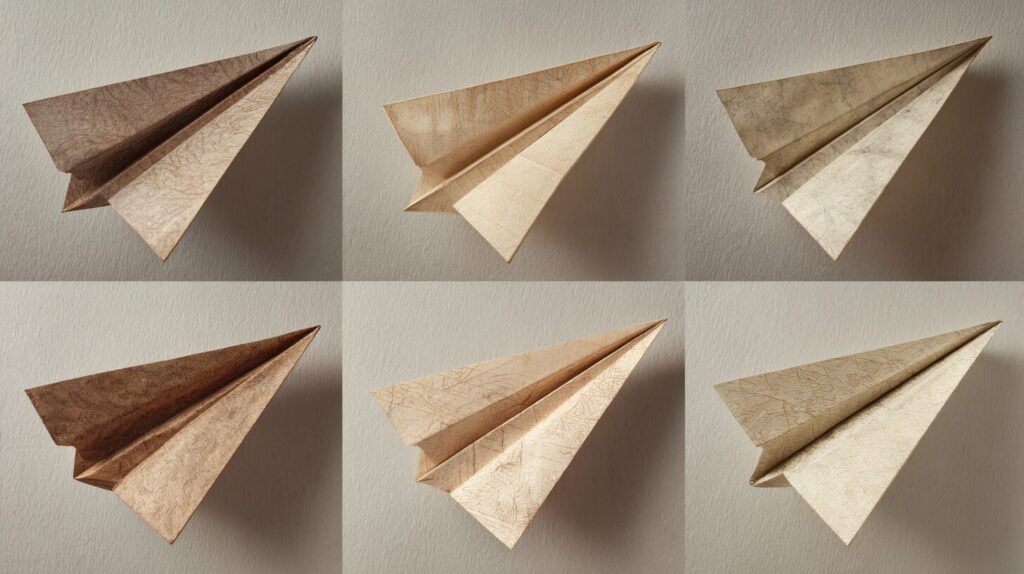
The process starts with the selective handpicking of the bark. It is then carefully stripped, cleaned and soaked, in many cases with natural substances like lime instead of industrial chemicals. The essential part is to take the processed inner bast material and, using your hands, beat it into a fine, consistent pulp. This process straightens the long fibres, which is what gives the paper its strength and unique feel. Finally, the pulp is laid out with a traditional mould and deckle, then dried in the air, often leading to surfaces with embedded fibers or exclusive lace-like structures. This craft sensibility produces a genuine product and echoes fair sourcing that enables talented paper artisans.
Key Features and Undeniable Benefits
The inherent characteristics of mulberry fiber paper make it invaluable across artistic and commercial fields.
Exceptional Strength and Archival Quality
The characteristic is the extreme fiber length, which results in “very strong paper”. This long-fiber link enables the paper to remain extremely strong even if made tissue-thin, so it resists breaking and mechanical stress on handling or printing.
In addition, mulberry paper is naturally pH-neutral and of archival quality. This inhibits yellowing and cracking, ensuring the durability of documents, artworks and printed materials. That natural stability also makes Kozo paper unusually good for professional conservation, repair of damage and bookbinding.
Versatile Applications for Modern Creatives
The unique characteristics of the paper made from the bark of the mulberry tree allow it to be applied to many forms of use:
- Fine Art & Printmaking: It has a fine texture that is inherently strong, making it a great choice for hand printing processes such as block printing and etching; it can hold the finest details. It Is Also Great For watercolour & Sumi-e, Being Absorbent & Working Well With Water-Based media.
- Luxury Stationery: Its chic, acid free quality is just right for wedding invitations, luxury envelopes and bespoke stationery.
- Decor and Design: The paper’s varying weight and natural translucency have made it highly popular for paper lighting, paper lanterns, screens and window treatments, where it diffuses light gently.
- Craft Projects: The unique texture of the paper and the delightful, feathered edge it leaves when torn, make it one of the most popular for scrapbooking, collage and stacked rubber stamping.
Bluecat Paper’s Ethical Mastery with Mulberry Fibers
Bluecat Paper maximizes the intrinsic sustainability of mulberry tree paper through a proprietary, ethical, and zero-waste manufacturing model in India.
Upcycled and Ethical Sourcing
Our handmade paper blend isn’t just tree-free, it is made from textile and agricultural by-products and actively reduces waste. Bluecat Paper’s mulberry paper is made from 80% Mulberry Bark and 10% Linen Waste, and 10% Recycled Cotton Rags. “Processing cellulose rich waste streams reduces the use of harsh pulping chemicals and mitigates landfill abuse”.
Zero-Waste Production
In accordance with our mission—“Save trees, Save water, Reduce waste”—Bluecat Paper utilizes the closed-loop water system. This innovation allows the company to consume as much as 80% less freshwater when compared to conventional paper mills. Since it is produced using high-cellulose fibers, the entire process is free of chemicals, making the paper clean and the waste water biodegradable.
Supporting Artisan Labour
Bluecat Paper is also deeply invested in social sustainability, not just the environmental stats. The business trains bay children and hires unskilled local workers, they are trained to become skilled paper and product makers. This emphasis on the ethical development of community means that the traditional skill of making mulberry tree paper remains a source of support for both the environment and local livelihoods.

Conclusion: Making the Conscious Shift with Mulberry Tree Paper
The use of mulberry tree paper is not just a visual statement; it is a statement of deep ethics. This is a millennia-old cultural prestige that offers the longest lasting archival quality and strength. When they choose the products of Bluecat Paper, customers are supporting a regenerating resource, harvested in a manner that is ethical, and that’s preserved in the system that is one of zero-waste – the system that protects forests and waters.
Buy knowing that many have been there before you and tell a story of ancient processes, renewable materials and contemporary, responsible manufacturing. Opt for artisanal paper that preserves history and safeguards the future.