Introduction to Handmade Linen Paper
Paper is much more than a simple medium; it is a profound repository of human history, knowledge, and civilization, dating back centuries. At the pinnacle of this historical craft lies handmade linen paper, a material revered for its exceptional quality and enduring legacy. Historically, the finest white papers prized across Europe were made from high-quality white linen rags, signifying status and permanence.
This paper transcends mass-produced alternatives by offering unparalleled aesthetic beauty—characterized by rich colors, sumptuous textures, and a uniquely artistic flair. By linking this definition to archival significance, the material is immediately positioned not just for artistic projects, but for uses demanding long-term preservation. The archival nature ensures longevity, appealing to discerning clients who require durable, long-lasting material suitable for conservation. Where machine-made papers focus on uniformity, genuine handmade linen paper embodies authentic craftsmanship, making every sheet a unique artefact.
How Handmade Linen Paper Is Made
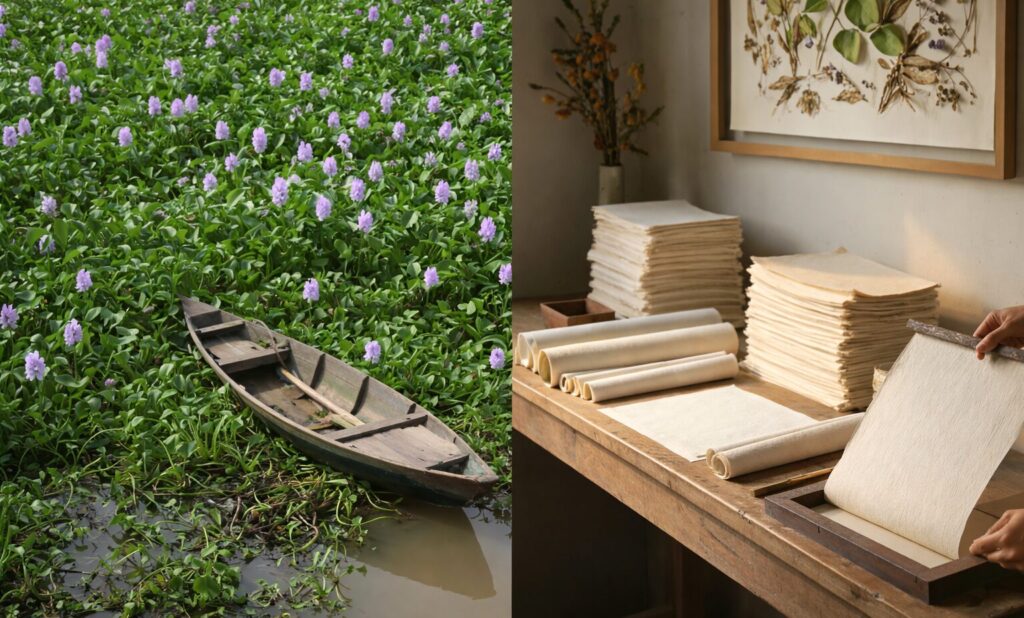
The creation of authentic handmade linen paper is a meticulous, labor-intensive process, often involving over 25 distinct steps, carried out manually by artisans. This traditional method begins with carefully selected raw materials, historically including macerated linen and cotton rags, which are broken down to create a creamy slurry of consistent texture. Modern sustainable papermaking, like that practised by Bluecat Paper, emphasizes the utilization of 100% recycled, wood-free fibers, including cotton rag and various plant materials.
The core of the craft centers on the “vatman’s technique.” A rectangular mould, containing a fine wire screen and a removable frame called a deckle, is submerged in a vat of pulp. When the artisan lifts the mold, the mesh retains the fibers while the excess water drains away. Crucially, the mold is manually agitated or shaken. This action ensures the even, yet organic, distribution of fibers, creating a sheet where cellulose fibers are naturally entwined and held together by bonding properties. This is the step that guarantees the unique, non-uniform texture and characteristic deckled edges that are the hallmark of true handmade paper. This manual process imparts a high tensile strength to the resulting paper, making it resistant to tearing compared to regular mill paper. This natural structural superiority accounts for its durability and archival quality.
Once the sheet is formed, it is transferred, or “couched,” onto a felt surface, pressed to remove the remaining moisture, and finally air-dried, often utilizing eco-conscious methods like solar energy for maximum sustainability. The labor and skill embedded in this individual sheet formation process are why the resulting paper carries “the memory of the particular craftsman’s hand”.
Key Features of Handmade Linen Paper
The distinctive qualities of handmade linen paper stem directly from its traditional creation process, offering advantages unmatched by mass-produced options.
A. Luxurious and Tactile Linen Paper Texture
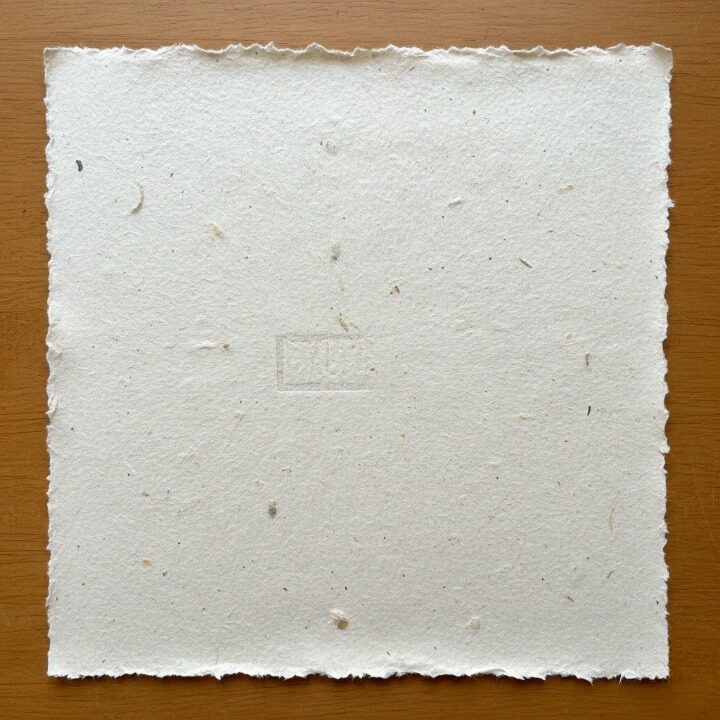
The defining feature is its rich, sumptuous texture. Unlike textures applied by machine embossing, this is the result of fiber suspension and entanglement, giving the paper a deep, organic feel. This natural surface provides an immediate perception of premium quality and artistic flair, often exhibiting slight surface imperfections or flecks that add character. This high-quality, non-uniform finish instantly projects status and upmarket appeal.
B. Archival Excellence and Durability
Handmade paper crafted from linen and cotton rag is renowned for its archival properties. It is typically acid and lignin-free, making it resistant to degradation and ideal for the conservation of historical documents. Furthermore, the construction results in superior strength; handmade paper tends to be thicker and utilizes linen fibers, known for their resilience. This resilience means it can withstand heavy use and demanding applications, establishing its suitability as a robust, long-term material for various media.
C. Aesthetic Signature and Printing Compatibility
The resulting sheet is characterized by its unique, lacy, and irregular deckled edges. This deliberate imperfection ensures that the final product feels special and personal. While the paper is robust enough to handle high-quality inkjet printing for projects like photo cards, its inherent strength and deep texture make it particularly ideal for specialized methods that utilize the depth of the material, such as calligraphy or letterpress, establishing its superiority as a material for high-end linen paper for printing.

Benefits of Handmade Linen Paper
Choosing handmade linen paper is a decision that equally prioritizes premium quality and planetary health, firmly positioning it as the paper of the future.
A. Unrivalled Environmental Sustainability
Handmade paper is easily the most eco-friendly paper choice. The production method is inherently sustainable. It is 100% recycled and wood-free, requiring no trees to be harvested. This contrasts sharply with the production of just one ton of industrial mill paper, which requires 270 trees or 400 bamboo plants. Furthermore, handmade production utilizes substantially fewer resources: requiring at least 75% less water and 50% less energy than machine-made processes. Bluecat minimizes its ecological footprint further by harnessing renewable solar energy for drying and cuts air pollution by up to 70%. Because the paper is made without synthetic chemicals or plastics, it is biodegradable and compostable, supporting a healthier ecosystem.
B. Enhanced Brand Equity and Lasting Value
For businesses and creatives, using paper of this caliber communicates an uncompromising commitment to quality and ethical sourcing. This material transcends standard utility, providing a strong narrative of sustainability and exclusivity that supports luxury branding. Moreover, the superior durability means the product resists tearing and survives aging processes, allowing it to function as archival material. Investing in lasting, archival quality is inherently a sustainable choice, reducing the need for replacement and re-printing waste over the project’s long lifespan.
Uses of Handmade Linen Paper
The elegant and robust nature of this paper makes it suitable for high-touch, memory-focused, and premium applications.
A. Wedding Invitations
The luxurious feel and elegant linen finish instantly elevate wedding stationery. Often paired with deep letterpress printing or fine calligraphy, these invitations convey an unmatched level of luxury and sophistication, enhancing the emotional investment of the occasion.
B. Business Cards
For personal or professional items where making an exceptional, lasting impression is essential, the texture and weighty feel of handmade linen paper signal uncompromising quality, positioning the user distinctly above standard alternatives.
C. Art Prints and Canvases
The sturdy, resilient nature of handmade paper makes it ideal for printing high-end art or serving directly as a canvas for painting (oils, acrylics) or mixed media. The elegance of its texture looks beautiful in a frame.
D. Journals and Notebooks
Using handmade paper provides a tangible, tactile connection to the writing experience. Its thickness and strength allow it to handle various writing and drawing mediums without significant bleed-through or buckling.
E. Gift Wrapping & Craft Projects
The classic style texture offers a sophisticated aesthetic, making the paper perfect for luxury packaging, bespoke boxes, high-end tags, and restaurant menus, adding a timeless, classy feel that elevates the overall ambience.
Handmade Linen Paper vs. Regular Linen Paper
It is essential to distinguish between genuine handmade linen paper and mass-produced paper with a “linen finish.” The difference lies not just in texture, but in fundamental quality and composition.
Characteristic | Genuine Handmade Linen Paper | Machine-Made “Linen Finish” Paper |
Texture Origin | Natural fiber entanglement, organic variation | Mechanical Embossing (Stamped Pattern) |
Production Method | Meticulous, individual, non-continuous artisan process | Continuous, mechanized industrial process |
Environmental Impact | Highly sustainable (low water/energy, solar drying) | Resource-intensive, higher pollution footprint |
Price | Premium cost reflective of skill and fiber quality | Affordable for volume, lower entry cost |
Consistency | Unique character, natural variations | High uniformity and precision |
Texture Depth: Machine-made linen paper uses an embossing roller to stamp a uniform pattern onto a smooth paper base. While suitable for high-volume needs, this consistency sacrifices the deep, naturally variable, and tactile linen paper texture found in the handmade version.
Production Method: Machine-made paper is optimized for continuous efficiency and standardization. This process guarantees uniformity, which can be a limitation when seeking true artistic value. The artisan-made sheet, formed individually using a mold and deckle, embraces slight variations, creating a more valued, unique signature required for premium projects.
Environmental Impact: The cost of industrialised paper is tied not just to money, but to the environment. The higher price of the artisan product reflects the necessary investment in skill and time, but dramatically lowers the ecological cost, supporting highly sustainable practices.
Price: The handmade option is an investment, but one that aligns with quality, durability, and ethical sourcing. The machine-made counterpart is cheaper due to mass production, making it practical but lacking the singular appeal of true craft.


Why Choose Handmade Linen Paper From Us (Bluecat Paper)
Bluecat Paper represents the future of paper: a harmonious blend of ancient technique and cutting-edge ecological responsibility. When you choose our products, you are selecting a paper partner that excels in craft, sustainability, and creative versatility.
Uncompromising Craftsmanship: Bluecat Paper adheres rigorously to the traditional, meticulous process. Each sheet of handmade linen paper is individually crafted, ensuring that it possesses the unique character and unmatched tactile appeal that only genuine hand production can deliver.
Pioneering Sustainability: Our dedication to being 100% wood-free, utilizing recycled materials, and pioneering low-impact techniques is central to our mission. We elevate sustainability by transforming unique recycled fibers, such as Spent Barley and Denim Paper, turning industrial waste into a luxury material. The use of renewable solar energy and a 75% reduction in water consumption compared to industrial mills make Bluecat Paper the smarter, greener choice.
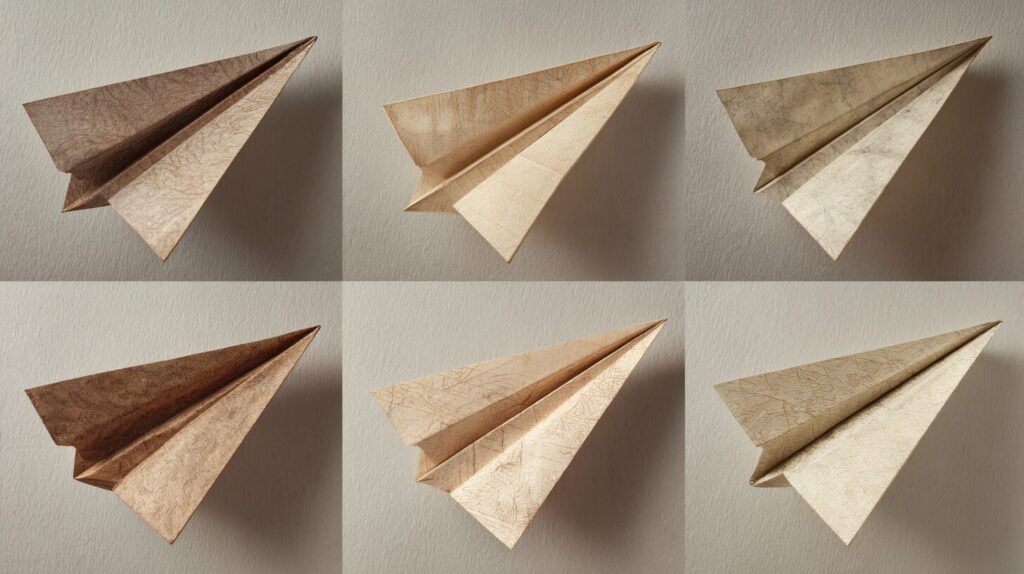
Unmatched Range and Unique Textures: Our collection offers exceptional textual diversity and a full spectrum of beautiful colors, including unique tones like Blush and Clay. This diverse range allows for extraordinary visual and textural compositions.
Custom Orders Available: For specialized projects, Bluecat Paper offers bespoke services. Clients and artists can specify unique requirements for size, weight, texture, and inclusions, tailoring the final product precisely to their artistic or commercial vision.
Experience the depth, durability, and unmatched elegance that only handcrafted excellence provides. It’s the smarter, greener, and more luxurious choice for your next project.


Conclusion
Choosing handmade linen paper is an act of appreciation—an acknowledgement of timeless beauty, traditional skill, and environmental stewardship. This premium paper offers not only superior aesthetic appeal and remarkable durability but also provides a powerful narrative of ethical consumerism and sustainable luxury. By selecting this product, you are transcending the uniformity of mass production and choosing a material that is literally imbued with unique character. We encourage readers to move beyond the screen and experience the tangible quality and unmatched linen paper texture for themselves. Elevate your next project—be it branding, art, or a cherished invitation-with the unparalleled quality and sustainable integrity of Bluecat Paper.